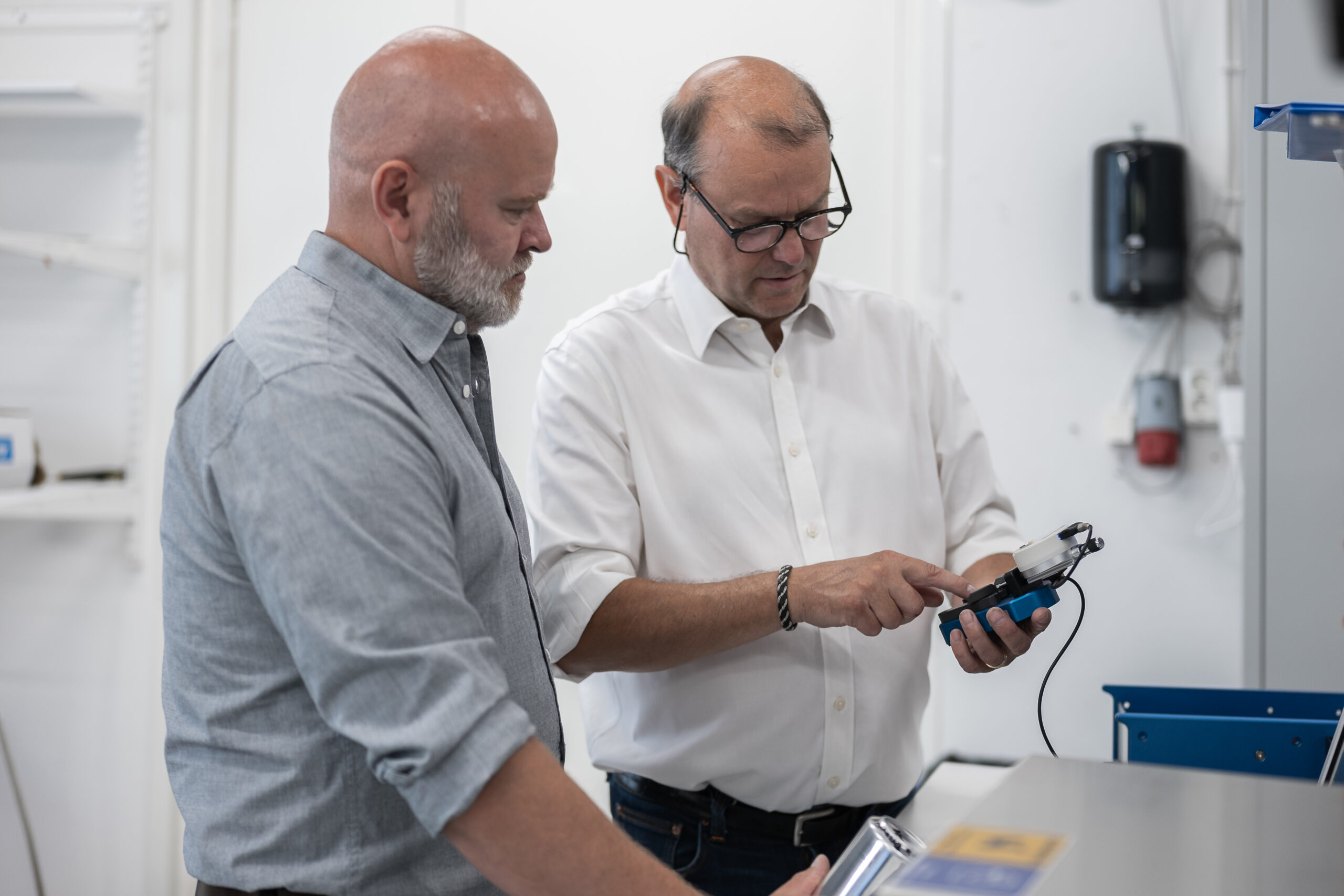
In today’s manufacturing landscape, sustainability isn’t just a checkbox for marketing. It’s a strategic priority that directly affects the planet and your profit margins. For beverage producers, quality isn’t simply about avoiding defects, it’s about reducing waste, curbing CO₂ emissions, and avoiding costly recalls that can damage brand reputation and customer loyalty over the long term.
At the heart of it lays a simple truth: when products are done right the first time, less material, time and energy are wasted. That’s what seam control and quality inspection deliver in spades.
Seam Control Reduces Waste and Costs
Industrial research confirms that robust quality control which includes accurate inspection and measurement is one of the most effective ways of cutting waste in manufacturing. By catching defects early, better quality control prevents scrap material, rework and misproduction that both consume resources and increase disposal costs. This is especially important in can production, where poorly formed seams can lead to leaks, contamination or outright product rejection .
Reducing waste isn’t just good for the environment, it’s good for your production. According to manufacturing insights, waste in production lines often translates into 5–10% of turnover lost through raw material inefficiencies and excess disposal costs. Effective quality inspection, including seam evaluation helps mitigate these losses and can contribute to meaningful operational savings over time.
How Seam Integrity Supports First-Time-Right Production
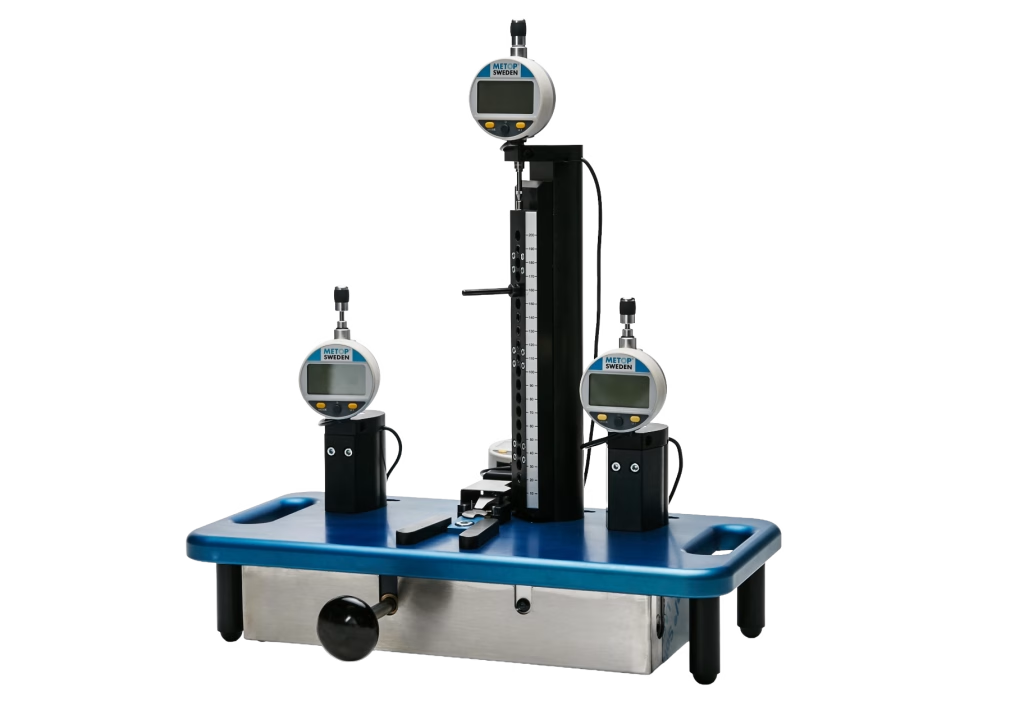
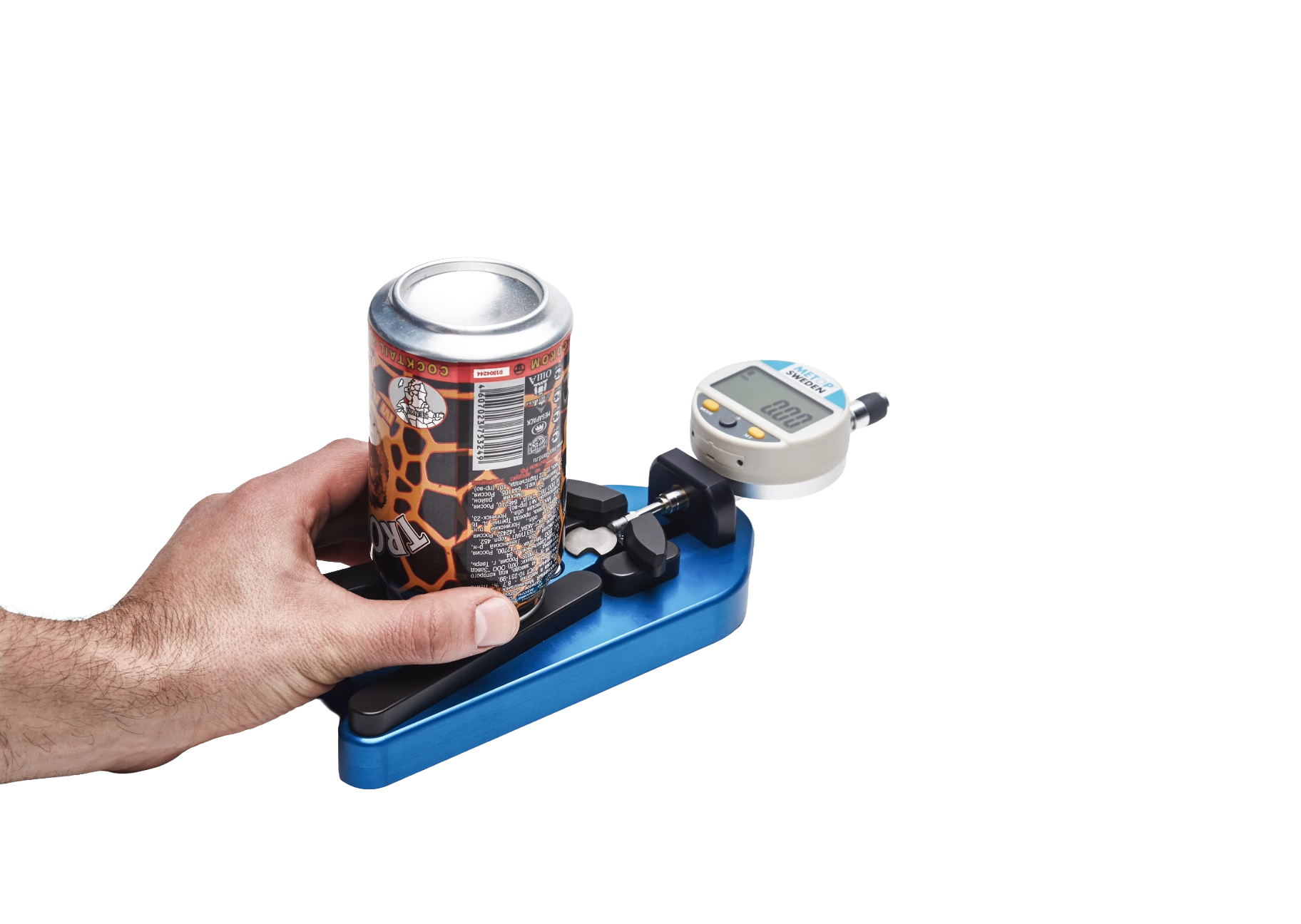
“First-time-right inspection” is a principle borrowed from modern metrology, the science of measurement that emphasizes getting every component correct on the first pass. This avoids repeated cycles of remaking and rechecking, which drain resources and create unnecessary CO₂ emissions from extra machine run-time. With advanced seam control systems:- Defects are identified before they become problematic downstream.
- Seam variations are tracked, not guessed.
- Operators can adjust production in real time rather than reacting after the fact.
This principle not only boosts quality assurance but also aligns with lean manufacturing goals: minimising waste while maximising product value.
Energy, Carbon and Broader Environmental Impact
Beyond material waste, defective products increase energy use and emissions across the manufacturing lifecycle. Every unit that must be scrapped, reworked, repackaged or reprocessed demands additional energy, whether it’s in heating, cooling, transport, or machine operation.
Worldwide, packaging contributes significantly to industrial carbon footprints. Studies have shown beverage packaging innovations, especially when paired with recycling and closed-loop systems can reduce operational greenhouse gas emissions by substantial margins. One industry analysis finds that global recycling improvements alone could cut tens of millions of metric tons of CO₂ by 2030.
And because quality control also boosts production efficiency (reducing downtime, energy per unit, and unnecessary handling) improved inspection strategies help manufacturers lower their environmental impact while driving operational efficiencies.
Risk Avoidance: Recalls and Reputation
The financial cost of waste speaks for itself, but the brand cost can be equally steep. Product recalls, particularly for packaging failures like leaking seams aren’t just expensive in terms of returned goods. They can damage customer confidence, disrupt supply chains, and result in lost shelf space and future sales. Robust seam inspection is a critical part of defusing this risk by ensuring that only products meeting specification leave the production line.
Recall avoidance through quality control isn’t hypothetical. Across industries, manufacturers invest in inspection regimes because prevention is far cheaper than remedy. Quick detection, traceable measurement and predictive inspection systems help companies avoid costly rework and the consumer distrust that follows high-profile failures.
Quality Control as a Sustainability Strategy
When quality inspection becomes part of a company’s sustainability strategy it elevates production, beyond compliance, to genuine resource optimization. This means using fewer raw materials, lowering energy and water consumption. Contributing to a circular economy where materials are kept in productive use longer.
Quality-driven sustainability also resonates with modern consumers. Environmental performance increasingly influences purchasing behavior, and packaging choices, especially recyclable formats like aluminum factor heavily into brand preference.

Every Can Counts. Economically and Environmentally
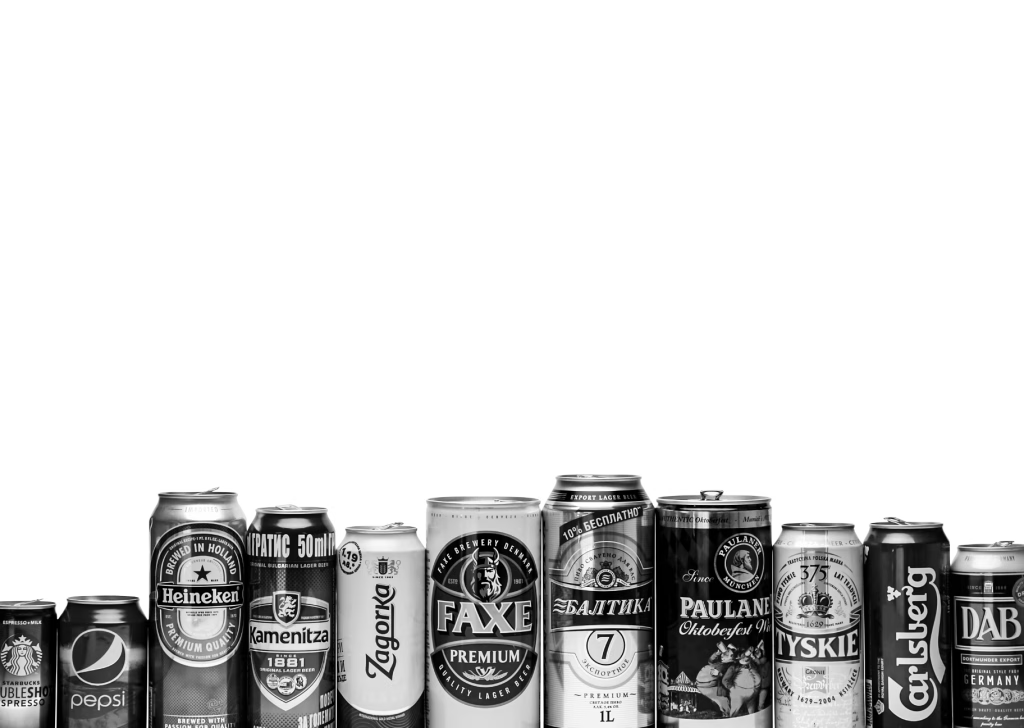
Sustainability and efficiency go hand in hand. When seam control systems improve product quality and reduce defects, they cut waste, and they cut cost. They reduce the environmental footprint of every production run. They protect brand reputation. And they make each can count not just as a product, but as a responsible, resource-efficient choice.
Minimize waste. Reduce CO₂. Save cost. Improve quality. That’s why today’s advanced quality control systems from manual inspection tools to automated non-destructive testing (read more about NDT here) aren’t just good practice, they’re good business.